
How Augmented Reality and 3D Tech Are Reshaping Retail
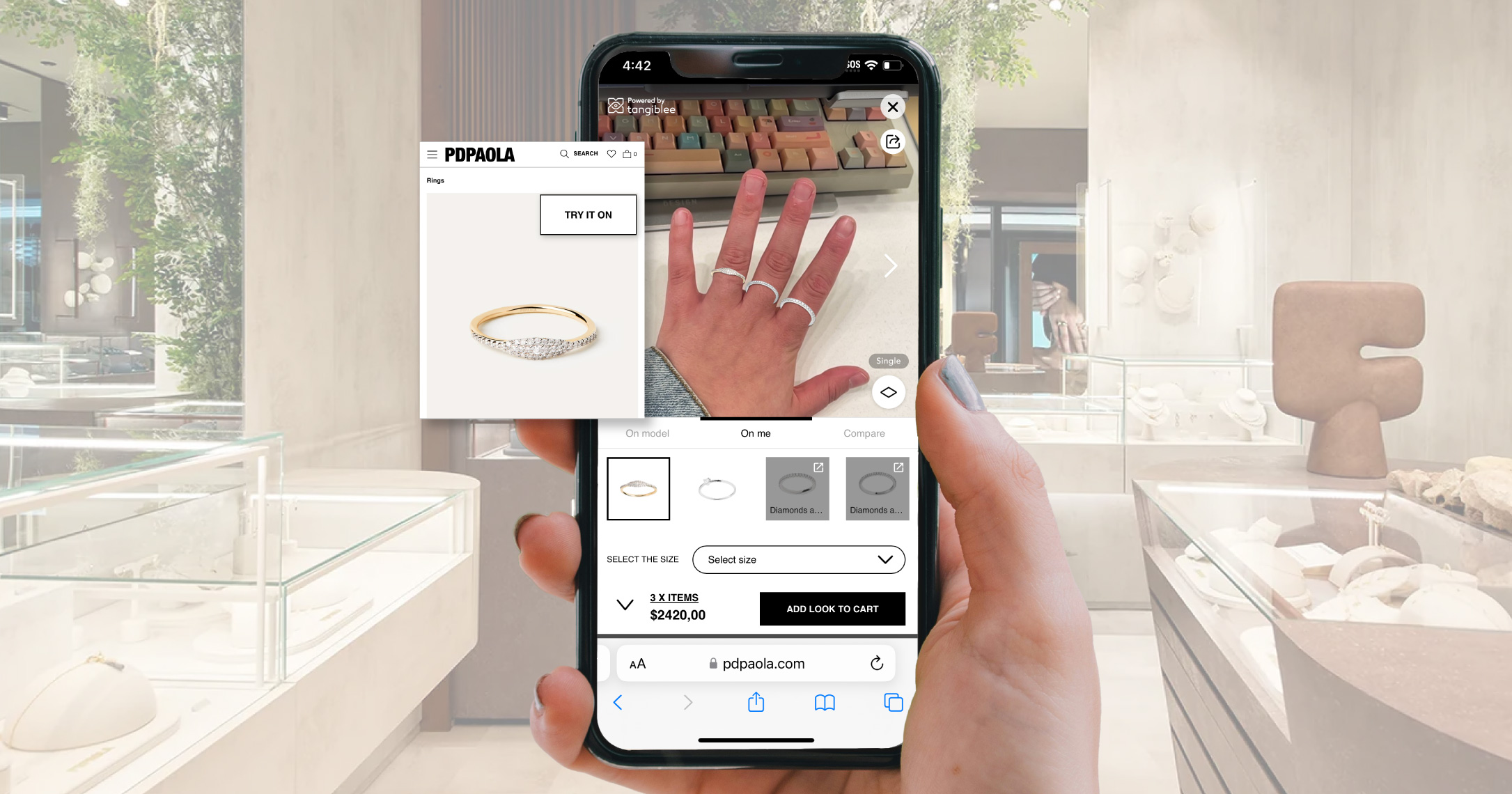
Augmented reality (AR) provides an enhanced experience by overlaying virtual or digital content onto the user's physical environment. This content can take many forms, including visuals, sounds, and other channels. AR experiences are typically supported and delivered by a combination of technologies: these mainly include cameras, computer/smartphone hardware, and specialized software.
Although closely related to virtual reality (VR) and often mentioned in the same context, AR does not generate fully immersive 3D environments. Instead, it brings 3D elements into the real world, something which has immense value for the retail sector. We'll discuss some of the ways AR and 3D are reshaping retail and why retailers should pay attention.
A Look at the Worldwide AR Market
According to a report by Allied Market Research, the AR in retail industry is expected to reach $61.3B by 2031 with a compound annual growth rate of 41.4% from 2022 onward. The largest segment of this market is held by advertising and marketing due to consistent and growing demand for engaging, attention-grabbing campaigns. The information systems segment is expected to experience the highest rate of growth due to its many training applications.
Allied Market Research also found that head-mounted displays represented the largest AR market share in 2021, with North America generating the highest revenue. North America is expected to maintain its frontrunner position, though the analysis expects significant growth in the Asia-Pacific region thanks to rapid digital transformation in the area. AR smart glass devices are also generating significant value in supply chain management, as their advanced image recognition makes them well-suited for applications like diagnostics, predictive maintenance, and inventory sorting.
As for key players in the market, they largely comprise retail market leaders such as Amazon, Google, Microsoft, Sephora, and IKEA—though the list also includes several AR vendors like Augment, Zugara, and ViewAR GmbH.
These numbers, combined with the fact that market leaders have readily embraced the technology, suggest that interactive, immersive shopping experiences will define the future of retail.
According to a recent IBM study, that future may already be here. In a survey of nearly 20,000 global consumers, respondents expressed widespread discontent with retail experiences. Only 9% of shoppers said they were content with in-store experiences. The number for online shopping was only slightly higher, at 14%.
The top complaints from online shoppers included a lack of information about products (33%), difficulty finding the products they want (36%), and a frustrating return process (33%).
Another survey from KPMG found that over two-thirds of online shoppers want to see retailers “think outside the box” to replicate an in-store shopping experience.
Embracing the Third Dimension
The numbers don't lie: your customers want more than static images and product descriptions. Augmented reality allows you to provide that experience—by creating an interactive shopping experience using 3D technology, you'll not only improve customer engagement and satisfaction, but also future-proof your business.
Make no mistake, augmented reality isn't going anywhere soon. Consumer demand for interactive, immersive experiences will only continue to grow—the sooner you adopt tech like 3D product visualization, the better prepared you'll be for that transition.
It's also no accident that marketing and advertising represent the bulk of AR spending—the interactivity offered by 3D technology represents an incredibly powerful avenue for product discovery, especially in a world where ads have developed a near-universal reputation for irrelevance.
How Savvy Retailers Redefine Reality with Tangiblee
Augmented reality and 3D technology provide your business with a means of leveling up its visualization not just in product listings but across every retail touchpoint, allowing you to rise above the competition, but achieving that requires the right solution.
Our scalable, cutting-edge solutions provide a range of powerful visualization options, including virtual try-on (VTO), room view, and product comparisons. Rather than requiring unique assets for visualization, we use your existing product photography, automatically adding 3D visualizations for new products as you add them to your catalog.
Our platform is both lightweight and fully plug-and-play, requiring only a single line of code and minimal maintenance. This also means that you'll be able to embrace not only AR technology but also trends like customized personalization with minimal impact on site performance for your customers. We offer everything you need to enhance your product listings and create a more immersive, engaging online shopping experience that will reduce costs and increase customer conversion.
Interested in learning more? Book a demo today.