
Love Is in the AiR: VTO Jewelry for Valentine’s Day
.png)
February 14th or better known as Valentine’s day.
You either love it or hate it.
Jewelry retailers love it, with Valentine’s Day jewelry sales reaching almost $22 million. On average American consumers spend $164.76 on Valentine’s Day.
Usually those who are purchasing items for Valentine’s Day are giving these items as gifts. This can often lead to high amounts of returns due to purchasing the wrong size, style, or color.
To reduce returns and therefore increase customer buying confidence, jewelry retailers have been implementing Augmented Reality Virtual Try On.
Online shoppers have the ability to try before they buy with Augmented Reality Try On. Shoppers can try on augmented reality jewelry pieces including rings, earrings, necklaces, bracelets, and more. Once they are happy with the look, they can send their virtual jewelry try on photo to their significant other as a gentle hint.
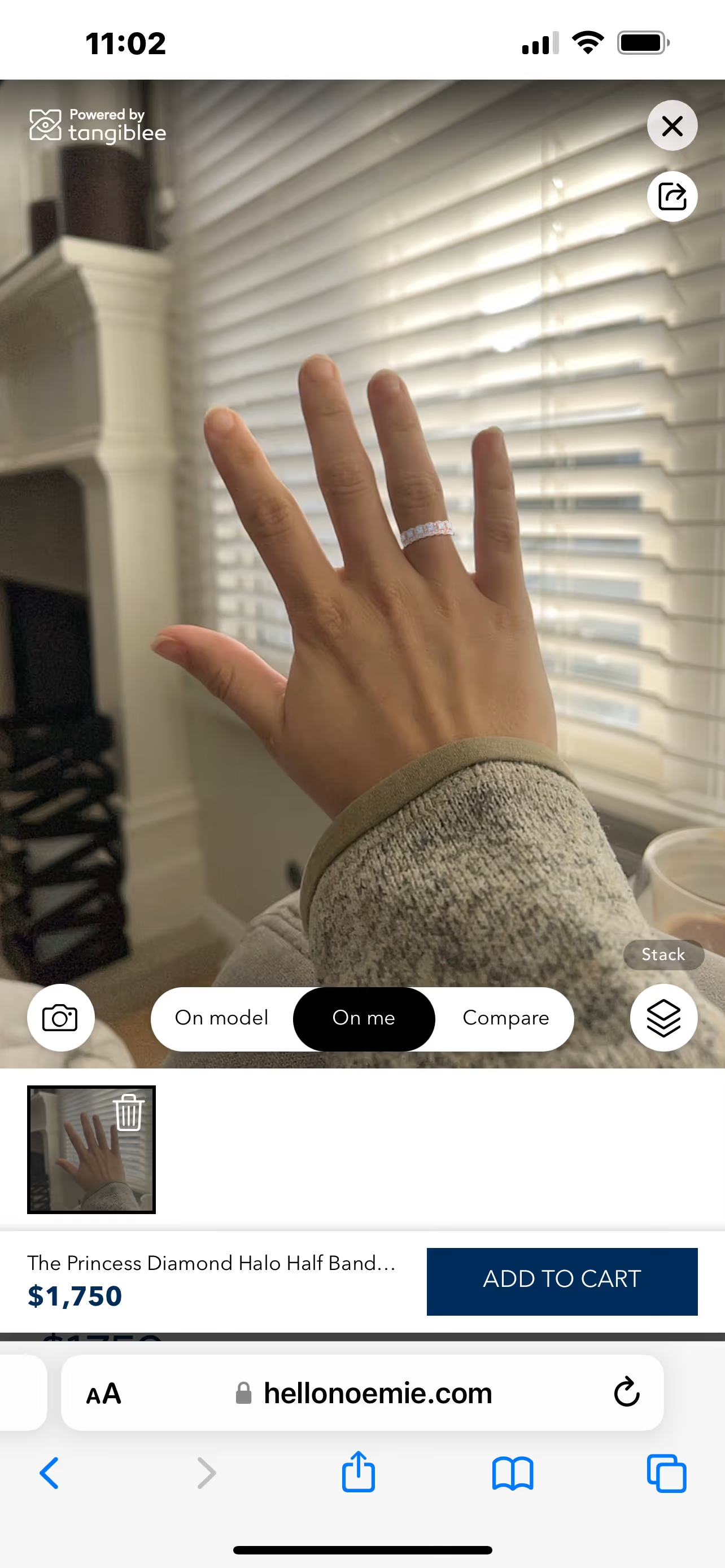
Especially for one of the most important pieces of jewelry, an engagement ring, shoppers are able to use virtual engagement ring try on. Shoppers can visualize an engagement ring on themselves or on a lifestyle model to understand the size and style of the ring.
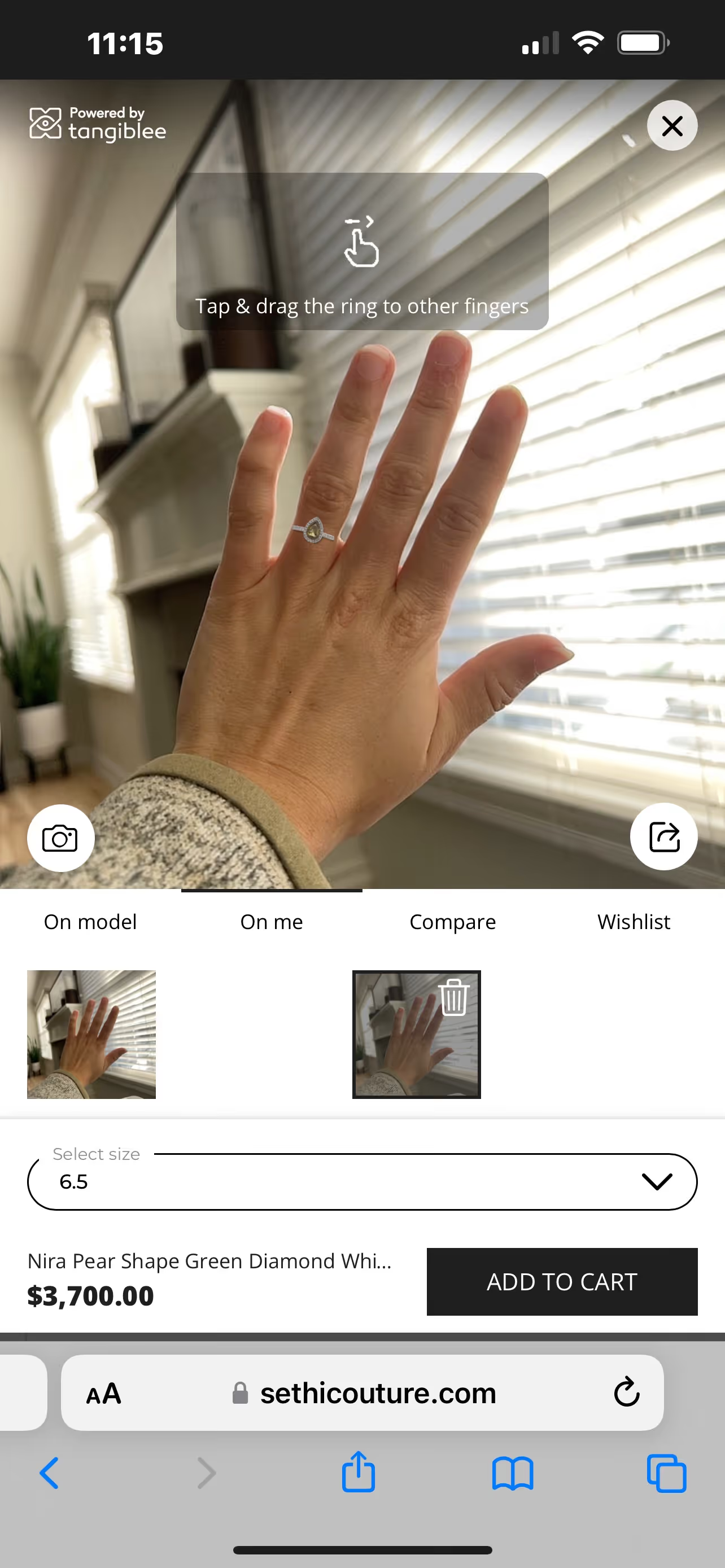
As someone who has recently gone through the engagement and wedding ring buying process, virtual try on engagement rings is a game-changer. Being able to see how different carat sizes look on your exact size of hand is incredibly helpful without having to go into a jewelry store.
There are so many different styles of engagement rings that it can be overwhelming in a jewelry store. With engagement ring virtual try on, I was able to try on as many rings as I wanted from the comfort of my own home.
Give your customers, like me, the confidence to purchase jewelry online with VTO. Shoppers can interact with each product to ensure that it meets their needs and style requirements thus increasing conversion rate and decreasing returns.
Looking to enhance your customer experience? Schedule a demo today.