
Managed Visual Commerce Platform: Why You Don't Need an In-House Team
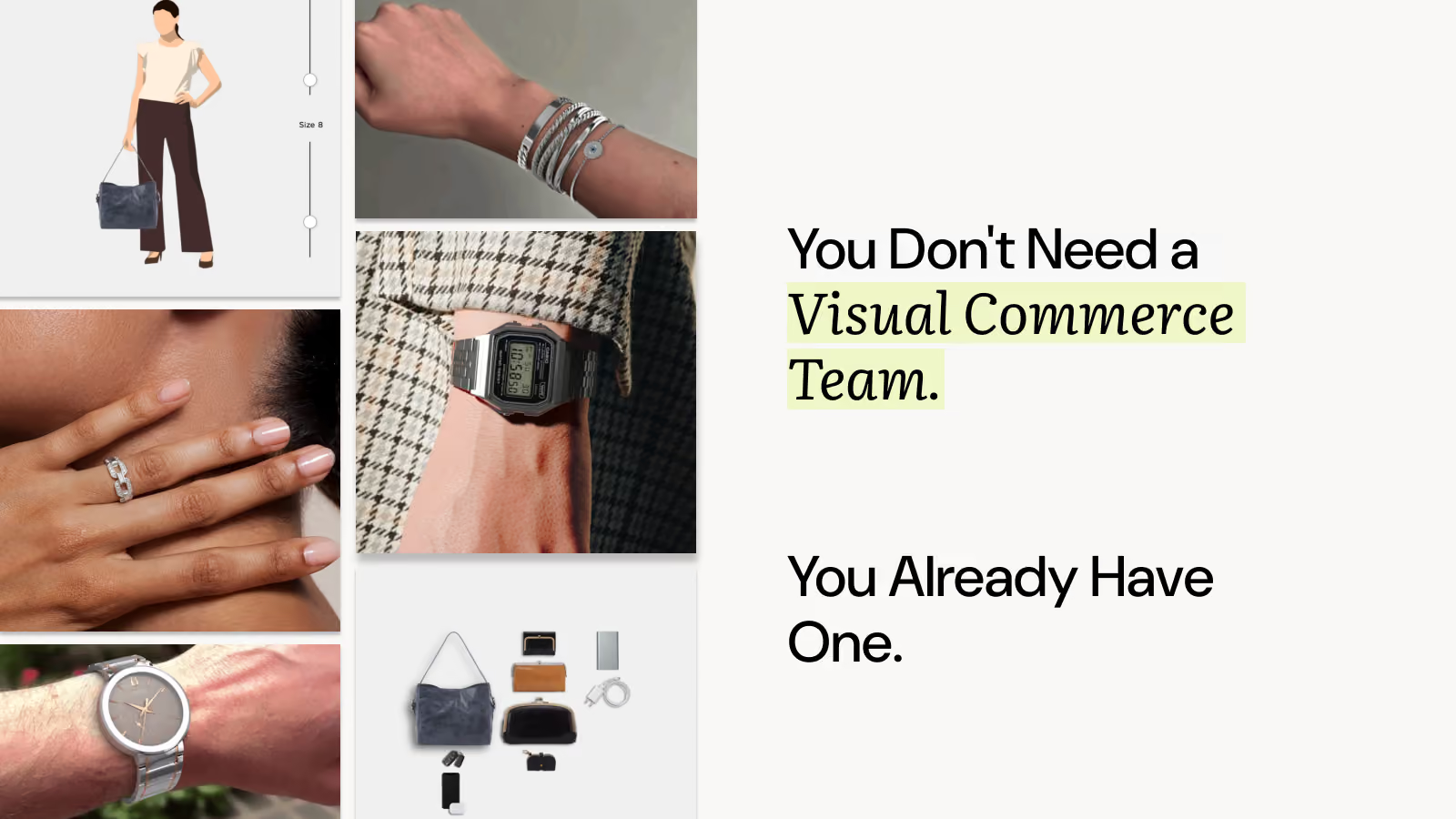
Most visual commerce tools are sold as software: a login, a dashboard, a setup guide. Everything after that — product data prep, asset creation, QA, SKU coverage, reporting — becomes your team's job.
For brands selling jewelry, watches, bags, and accessories, that operational load is real. Virtual Try-On doesn't configure itself. Neither does What Fits Inside, Compare, Look Builder, or Charm Builder. Each experience needs product data, visual assets, QA, placement decisions, and ongoing optimization to actually perform.
A managed visual commerce platform works differently. It's built to remove that operational load from the brand entirely, not just hand over another tool to manage.
What Is a Managed Visual Commerce Platform?
A managed visual commerce platform is a SaaS solution where the vendor — not the brand — handles the operational work behind interactive shopping experiences: product data readiness, visual asset processing, experience configuration, QA, and ongoing optimization. The brand adds a lightweight integration; the vendor's team runs everything behind it.
This is different from a self-serve visual commerce tool, where the brand's own ecommerce, creative, and development teams are responsible for setup, maintenance, and troubleshooting.
The Hidden Cost of Self-Serve Visual Commerce Tools
The real cost of a self-serve tool isn't the license fee. It's the internal lift required to make it work — the same tasks, they just land on your team instead of on the vendor's.
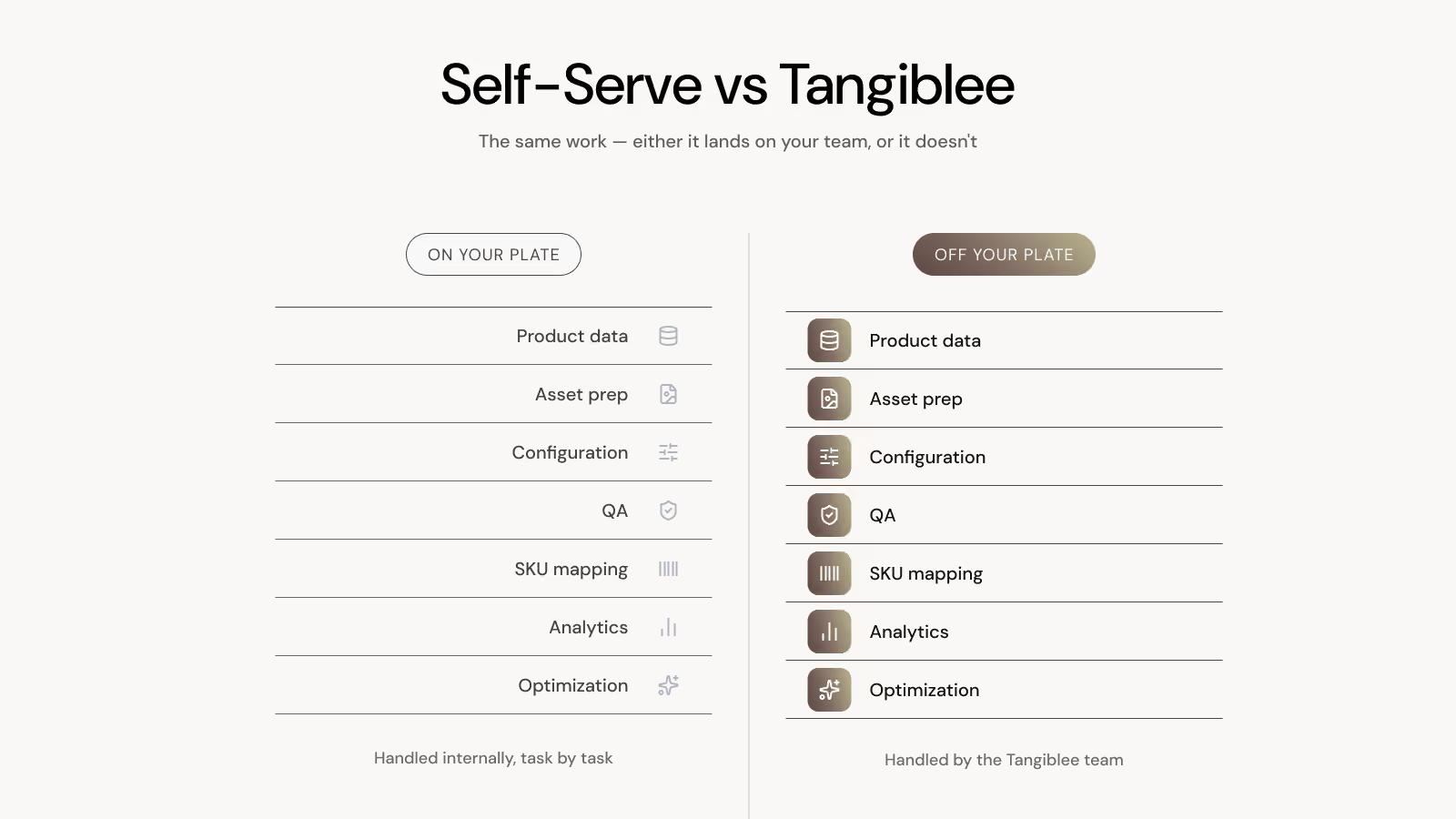
Product data, asset prep, configuration, QA, SKU mapping, analytics, optimization — with a self-serve tool, each of those sits on your plate. With a managed visual commerce platform, the same list is handled by the vendor's team instead.
For most ecommerce teams, there isn't a dedicated person for all of that — let alone a team. That gap is exactly what a managed visual commerce platform is designed to close.
What a Managed Visual Commerce Platform Handles For You
When brands partner with Tangiblee, they get one continuous, managed process rather than a checklist to run themselves:
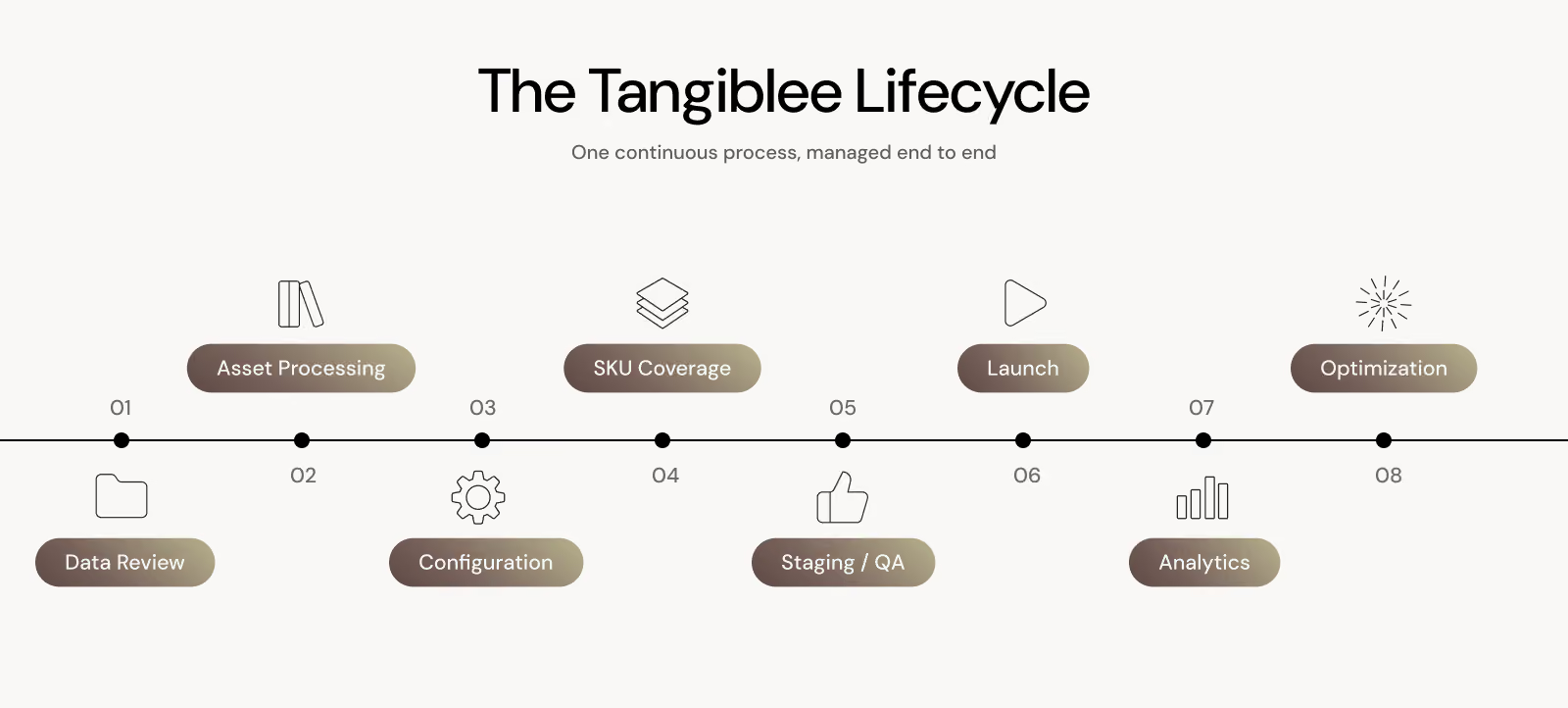
- Product data review — ensuring the catalog is properly structured before any experience goes live
- Asset processing — preparing the surface for Virtual Try-On, on-model content, and interactive modules
- Configuration — setting up VTO, What Fits Inside, Compare, Charm Builder, Look Builder, and Embedded 3D VTO for each category
- SKU coverage — mapping which products go live first, and in what order
- Staging and QA — testing across products, devices, and placement scenarios before launch
- Launch — go-live with placement recommendations based on best practices and market benchmarks
- Analytics — performance tracking through the Tangiblee Management Portal
- Optimization — improving placement, expanding coverage, and identifying new opportunities over time
With Tangiblee, the integration itself is typically a lightweight code snippet — that's the extent of a brand's involvement in development. Everything else on this list runs on Tangiblee's side.
The Team You Never Had to Hire
Building this capability in-house would mean hiring someone to manage product feeds, someone to coordinate asset creation, someone to configure each experience per category, someone to own QA, someone to run analytics, and someone to plan SKU expansion.
Most brands don't have one person doing all of that, let alone a full team. A managed visual commerce platform means you don't need to hire for it — you get the expertise and infrastructure without adding headcount, and your ecommerce team stays focused on strategy and campaigns instead of execution.
What Shoppers Experience — and Why It Matters
From the shopper's side, a managed visual commerce platform should feel like a natural, built-in part of the product page — not an add-on.
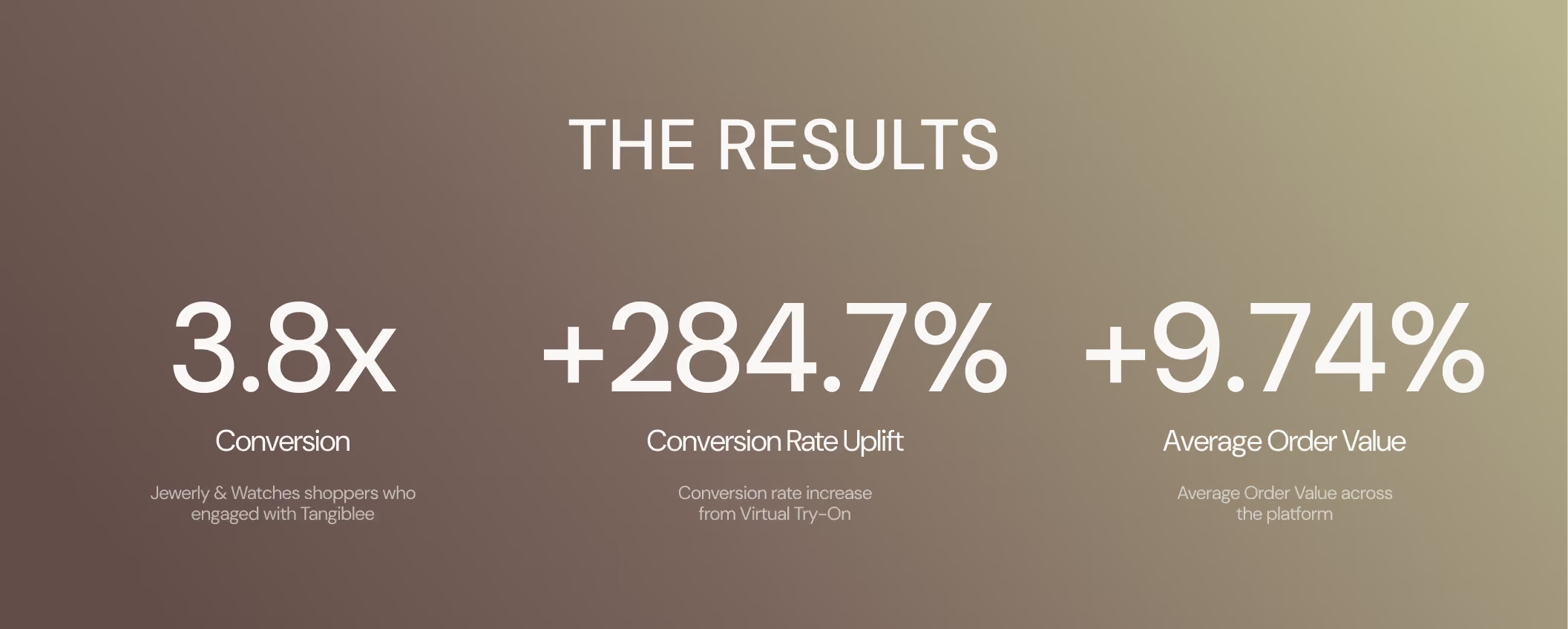
Jewelry and watch shoppers who engaged with Tangiblee converted at 3.8x the rate of those who didn't. Virtual Try-On specifically drove a 284.7% conversion rate uplift, and Average Order Value increased 9.74% across the platform.
These outcomes reflect the operational layer working — not just the software existing on the page.
From Launch to Scale: A Continuous Partnership
Many technology vendors treat the go-live date as the finish line. You sign the contract, you launch, and from there you're largely on your own.
Tangiblee treats launch as the beginning.
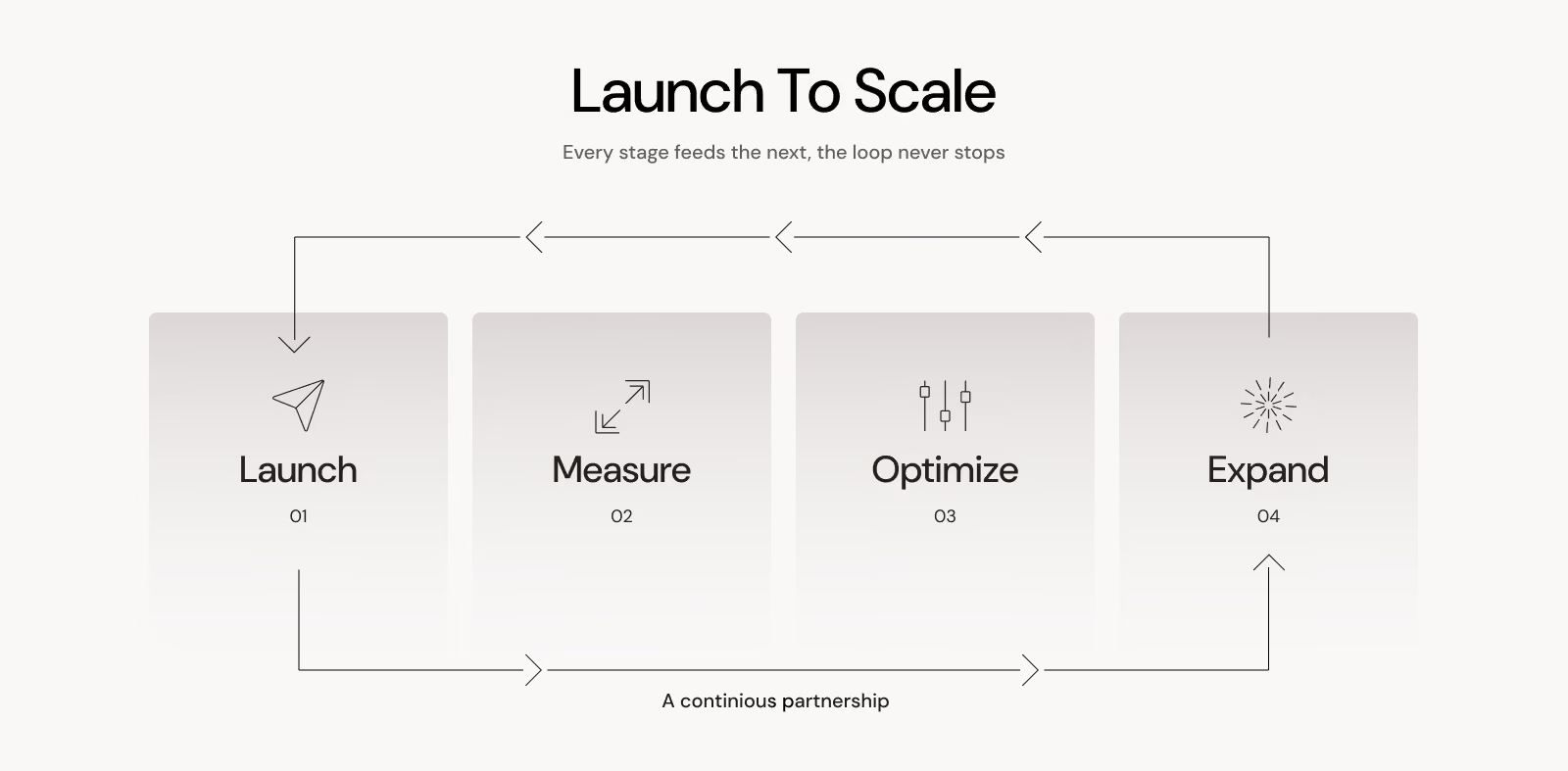
After an experience goes live, there's still meaningful work ahead. SKU coverage can expand into new categories. CTA placement can be refined based on performance data. New storefronts or markets can be added. Shopper behavior reveals optimization opportunities that weren't visible before launch.
The Tangiblee Management Portal gives brands visibility into performance across experiences, and the Tangiblee team uses that data to inform recommendations — so the program keeps improving over time, not just maintaining the status quo. This is what partnership looks like in practice: a continuous loop of launch, measure, optimize, and expand — with Tangiblee doing the operational heavy lifting at every stage.
Built for Every Category
Different products raise different questions for shoppers — and a managed visual commerce platform needs to answer all of them without asking the brand to solve each one separately.
- Jewelry — Virtual Try-On helps shoppers evaluate proportion and style before buying
- Watches — wrist-based try-on helps shoppers judge case size and fit
- Bags — sizing tools help shoppers understand capacity and what actually fits inside
The range of categories is intentional — the operational challenges of visual commerce differ by category, and a managed platform is built to absorb that complexity across verticals.
Our clients didn't hire a new team to make it happen. They extended the one they already had.
Tangiblee is the managed visual commerce platform built for ecommerce teams that have enough to run already. All of it managed for you — from launch to scale.