
Virtual Try-On and Sizing Solutions for Rental and Resale Retailers: Four Brands Making It Work
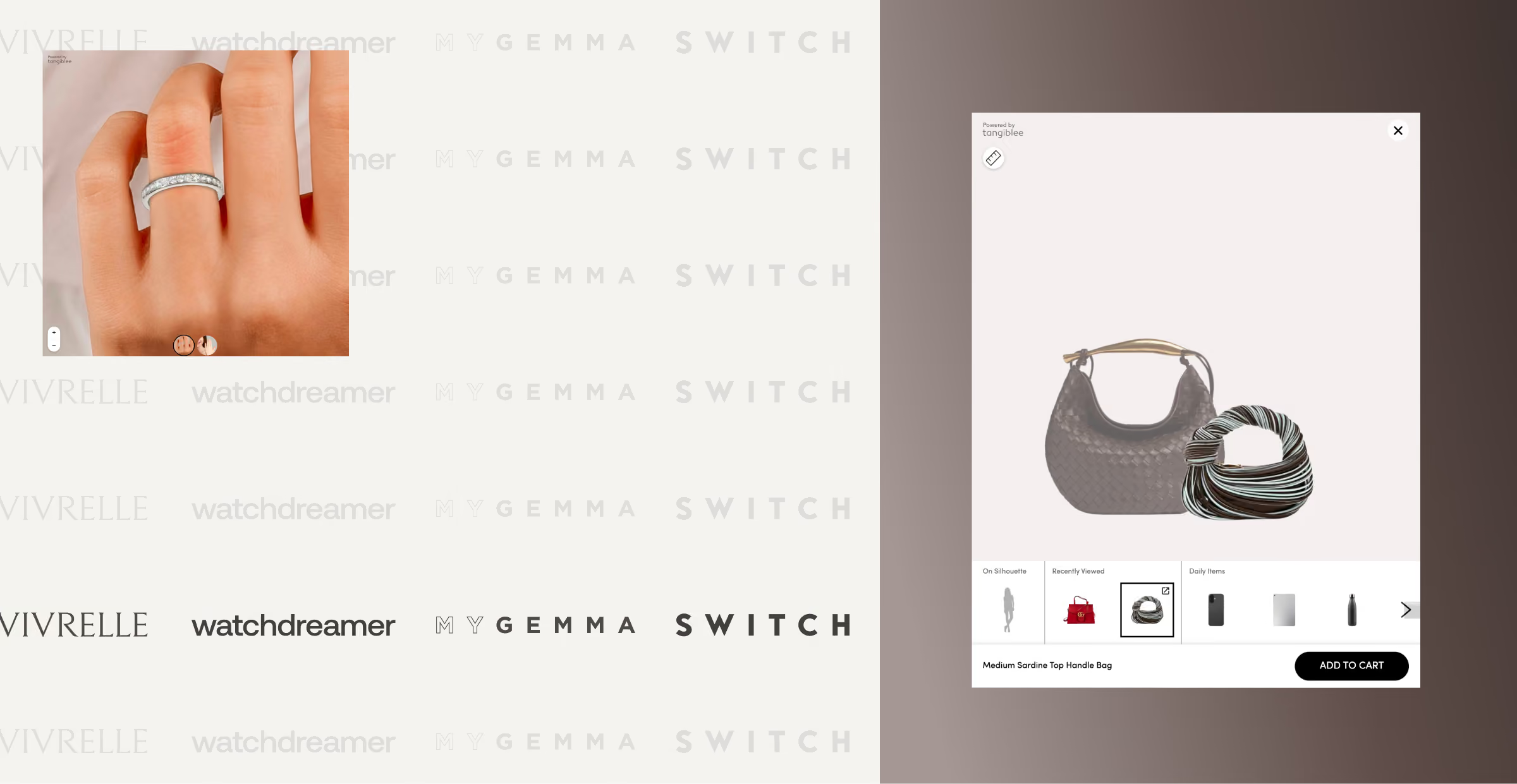
Rental and resale retailers face a shopper-confidence problem that standard retail does not. The shopper is often committing to an item they cannot try in person, and the catalog behind it rarely stays still — new arrivals show up constantly, and much of the inventory is one-of-a-kind. Below, four retailers show how virtual try-on and sizing solutions can solve this without a 3D model or a new photo shoot for every incoming piece.
Why Do Rental and Resale Retailers Need Virtual Try-On and Sizing Solutions?
Rental and resale shoppers cannot handle an item before committing, and standard product photography often leaves scale, fit, and condition unclear. Sizing tools like Compare and Adjustable Silhouettes, alongside virtual try-on and on-model imagery, give these shoppers a closer, more confident look before purchase, without requiring the retailer to reshoot or remodel every new piece that enters the catalog.
Which Retailers Use Virtual Try-On and Sizing Solutions for Rental and Resale?
1. Vivrelle
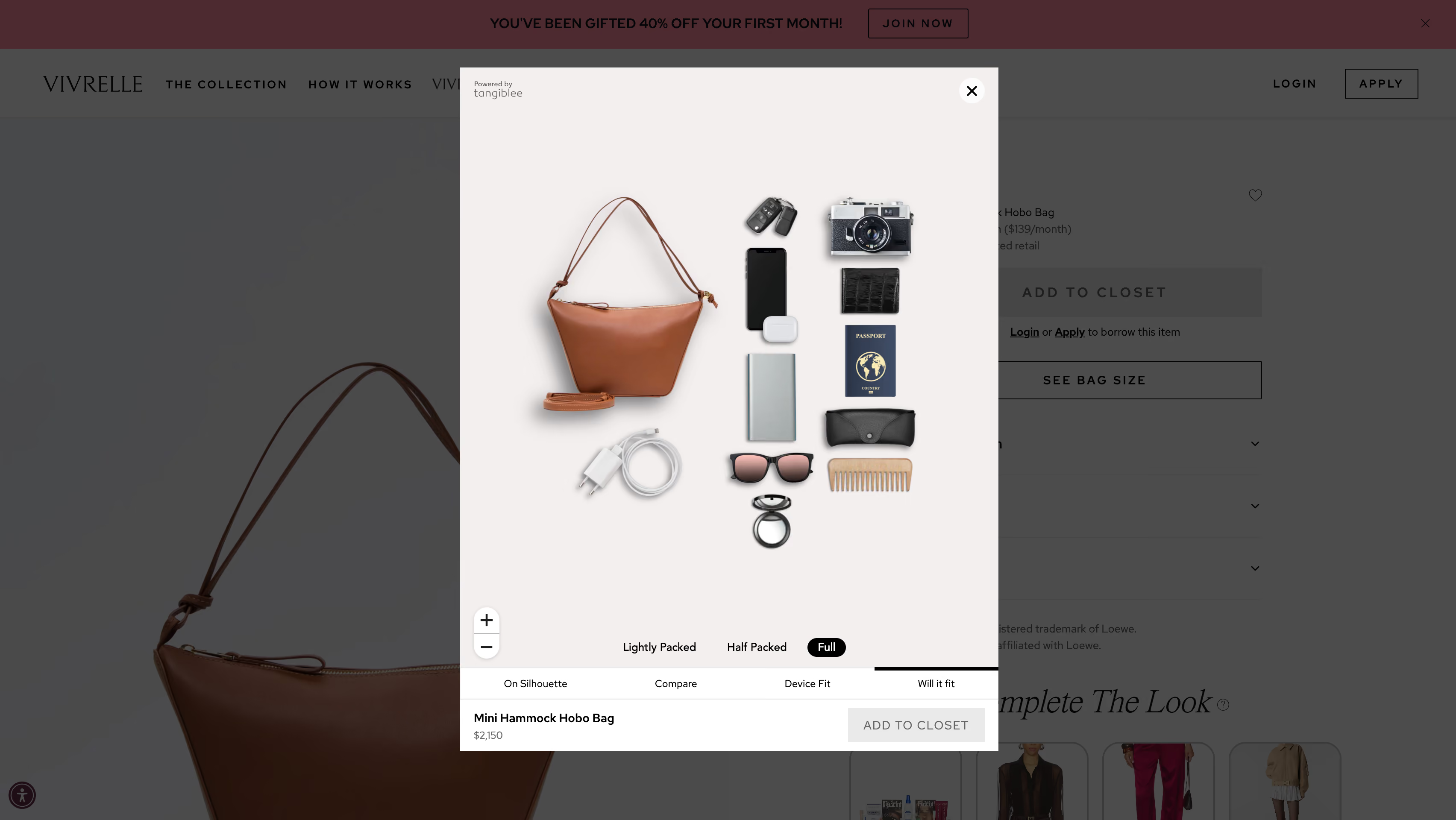
Vivrelle is a membership club that lets shoppers borrow and rotate designer handbags and jewelry through a monthly subscription. Since Vivrelle's catalog is built almost entirely on bags that shoppers cannot handle before choosing, the brand added Tangiblee's On-Model imagery to show pieces in real context, without scheduling a dedicated shoot for every piece that rotates through the club.
2. myGemma
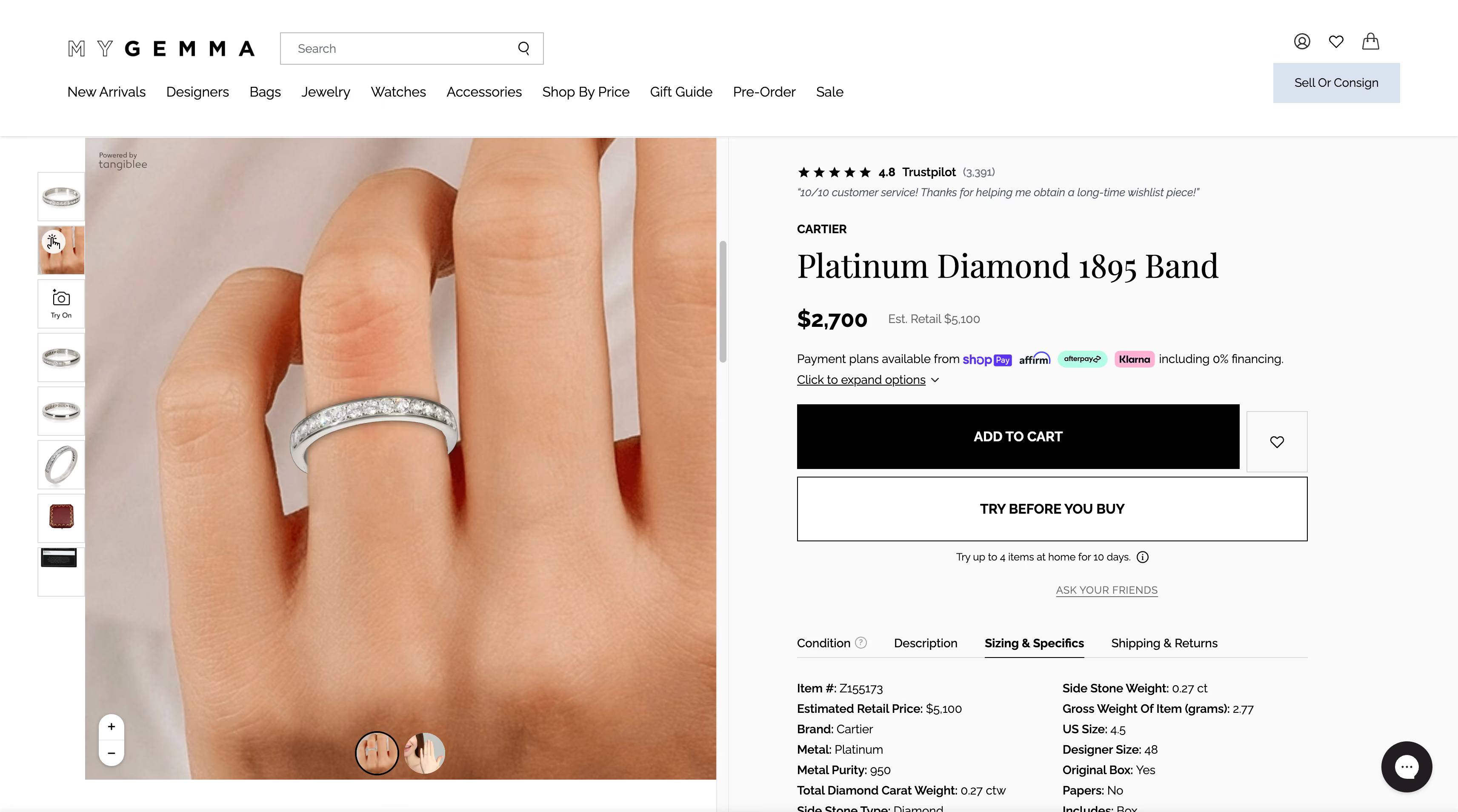
myGemma is a resale marketplace for authenticated designer jewelry, watches, and handbags. Because every item in myGemma's catalog is a unique, previously owned piece, the retailer added Tangiblee's Embed and On-Model imagery to give shoppers more visual context before purchase, keeping pace with a steady stream of new, one-off inventory as myGemma has expanded into consignment.
3. Watchdreamer
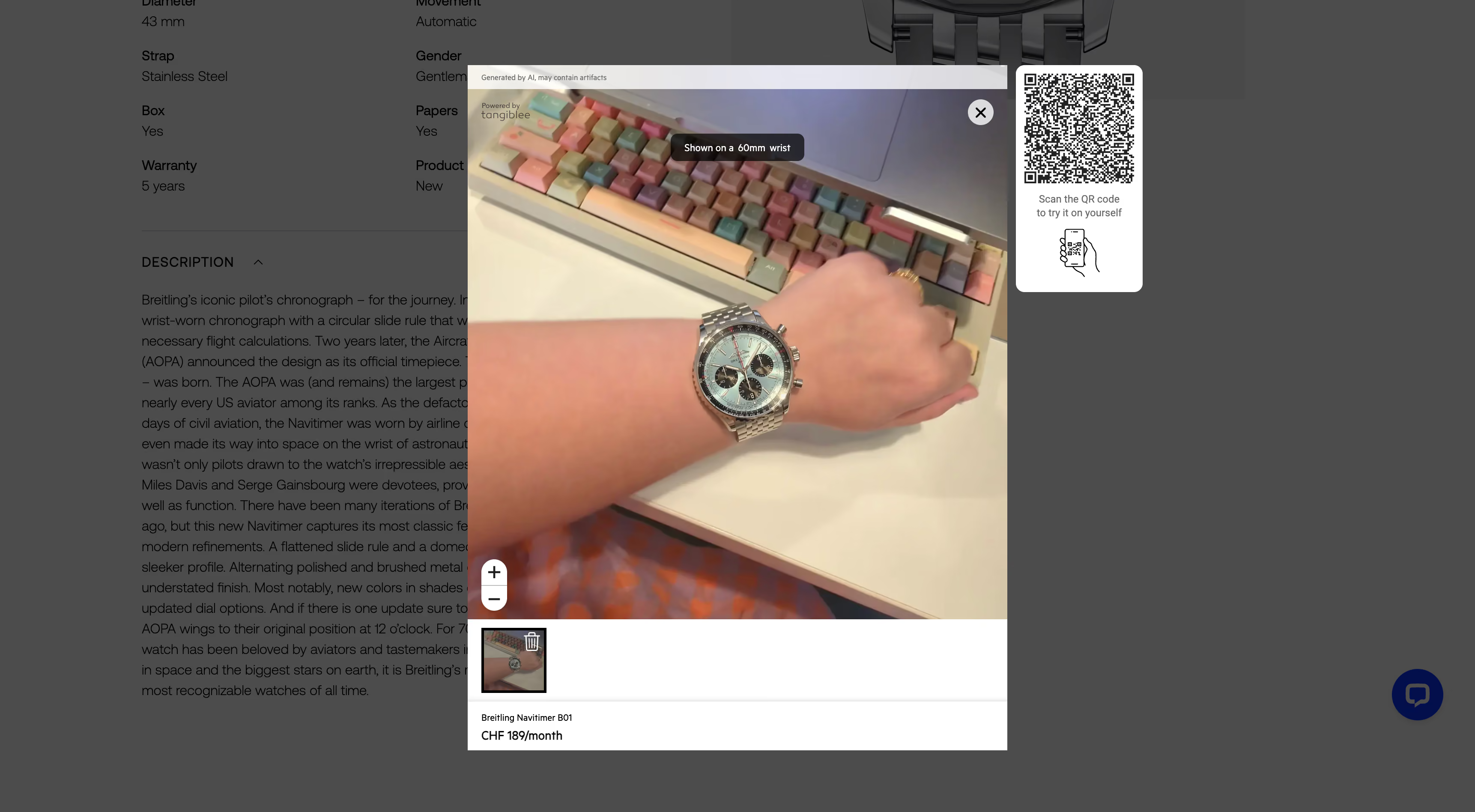
Watchdreamer is a Swiss platform offering new, certified pre-owned, and pre-owned luxury watches. Since resale watches carry questions around condition and fit that a static photo cannot fully answer, Watchdreamer has explored Tangiblee's VTO Clip and On-Model imagery to give shoppers a more confident way to judge a watch that will never look identical to the next one on the page.
4. Switch
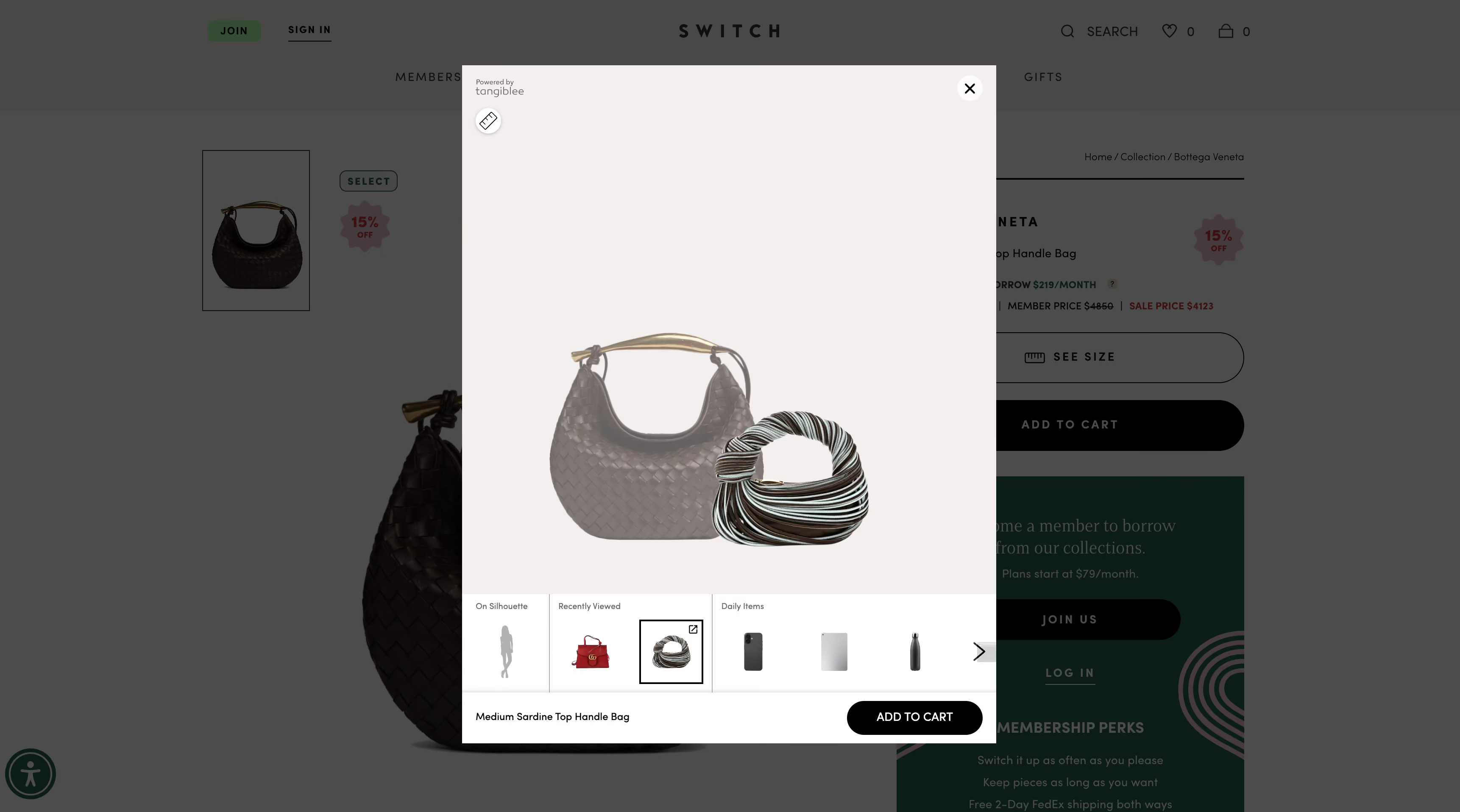
Switch is a luxury bag and jewelry rental marketplace where new arrivals appear roughly every two weeks, much of it one-off inventory. Switch added Tangiblee's Compare, Adjustable Silhouettes, and On-Model imagery for bags to give shoppers a clear sense of scale, built from existing product photos rather than new shoots, so new pieces go live within a few days of being listed.
Why Do Multi-Category Catalogs Need One Visualization Partner?
Rental and resale retailers rarely sell just one category. Vivrelle, myGemma, Watchdreamer, and Switch each carry a mix of bags, jewelry, or watches within a single catalog, not one category in isolation. A retailer working across categories like this would otherwise need a separate visualization vendor, or a separate implementation, for each one. Partnering with a single platform that covers bags, jewelry, and watches means one integration, one onboarding process, and one point of contact, regardless of how the catalog is split across categories.
How Do Sizing Solutions Work Without 3D Models?
Tangiblee builds sizing and virtual try-on experiences directly from a retailer's existing product images, with no 3D model or new photography required. Compare, Adjustable Silhouettes, VTO Clip, and On-Model imagery all run on this same image-based approach. For a rental or resale catalog adding new arrivals every few weeks, that means a new SKU can go live within days of being listed, without a production team behind it.