
Why jewelry, handbags and furniture, not apparel or shoes—for now?
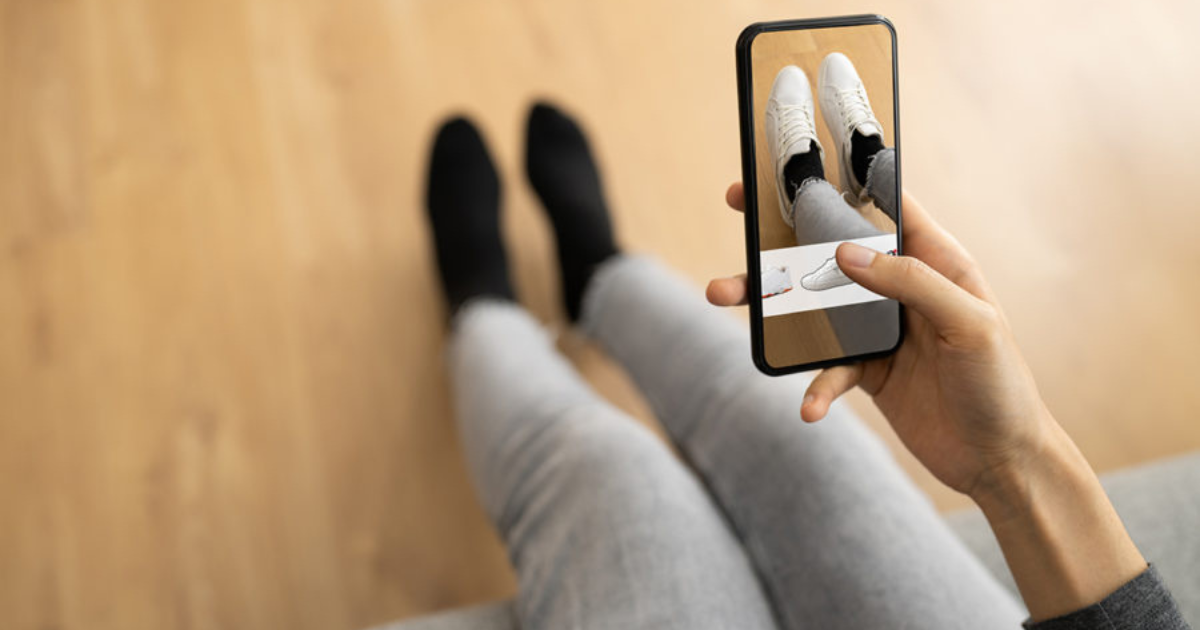
We have worked hard to establish ourselves in three main categories: jewelry & watches, handbags & luggage, and furniture & home decor. We offer industry-proven solutions that bridge the gap between online shopping and in-store experiences.
However, clients and prospects often ask why we haven’t expanded to apparel and shoes.
Focused Research & Development for the Highest Quality Results
For all of our categories, we do extensive research before pursuing and developing solutions. We pride ourselves on creating immersive and realistic online shopping experiences, and not every category is a perfect fit.
One of our “unfair advantages” is the fact that we are able to support processing for 4K SKUs/day. This allows us to implement and scale quickly on retailers' websites, using their existing 2D images.
We must be able to meet these standards whenever we take on a new category. As a team, we have done excessive research in the apparel and shoe space to determine if Tangiblee should expand. We have determined that delivering a high-quality experience in these categories — superior to the unrealistic experiences currently on the market — would require significant R&D resources that might detract from our current areas of focus. While Tangiblee plans to launch new categories in the future, we will never sacrifice quality and best-in-breed technology by prematurely rushing into new categories where we wouldn’t be able to produce our best results.
Examples of Apparel & Shoe AR
Other companies attempted to launch solutions in this space, but they weren’t all successful. Amazon has recently released its Virtual Try-On for Shoes experience.
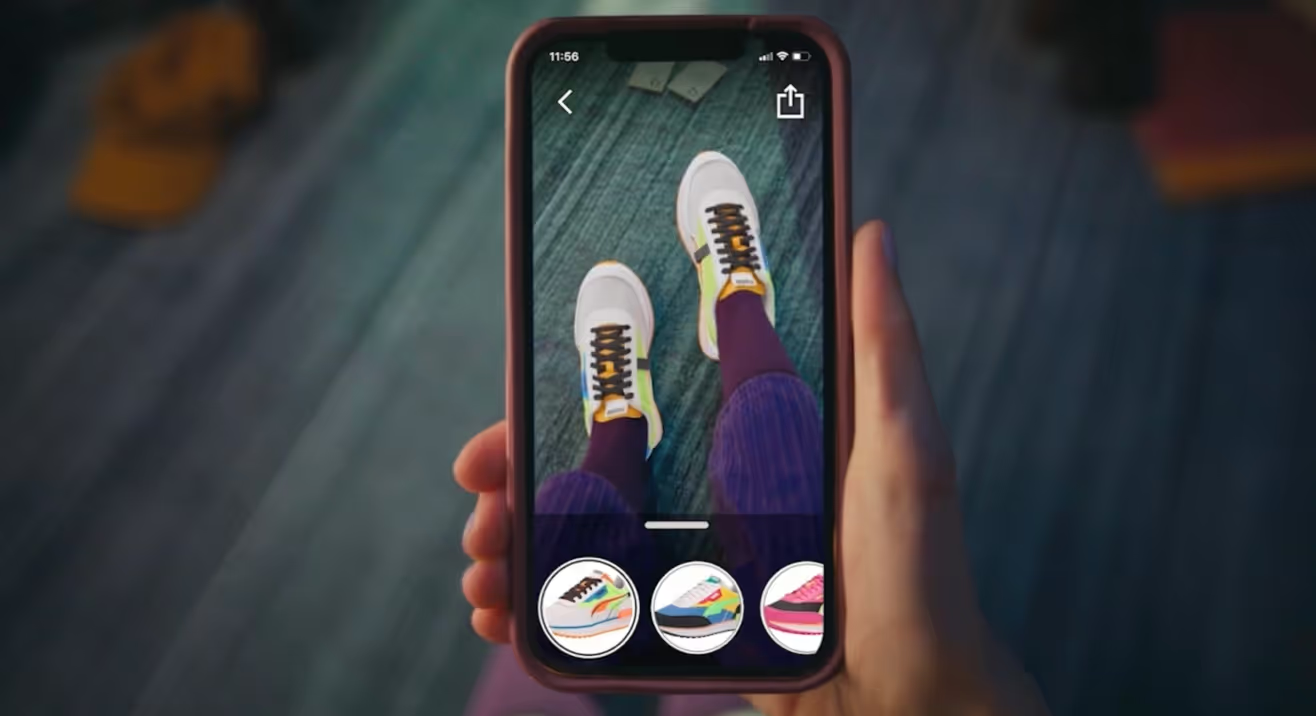
This experience allows Amazon shoppers to virtually try-on various shoes before purchasing. There are a limited number of shoes available within the experience for online shoppers.
I tried out the experience to determine the validity.
I tried on both a pair of UGG boots and a pair of New Balance sneakers. When I opened the virtual try-on solution it asked me to position my feet in the frame and point my toes. The shoes were quickly placed on my feet and I was amazed.
Amazed at how HUGE it made my feet look.
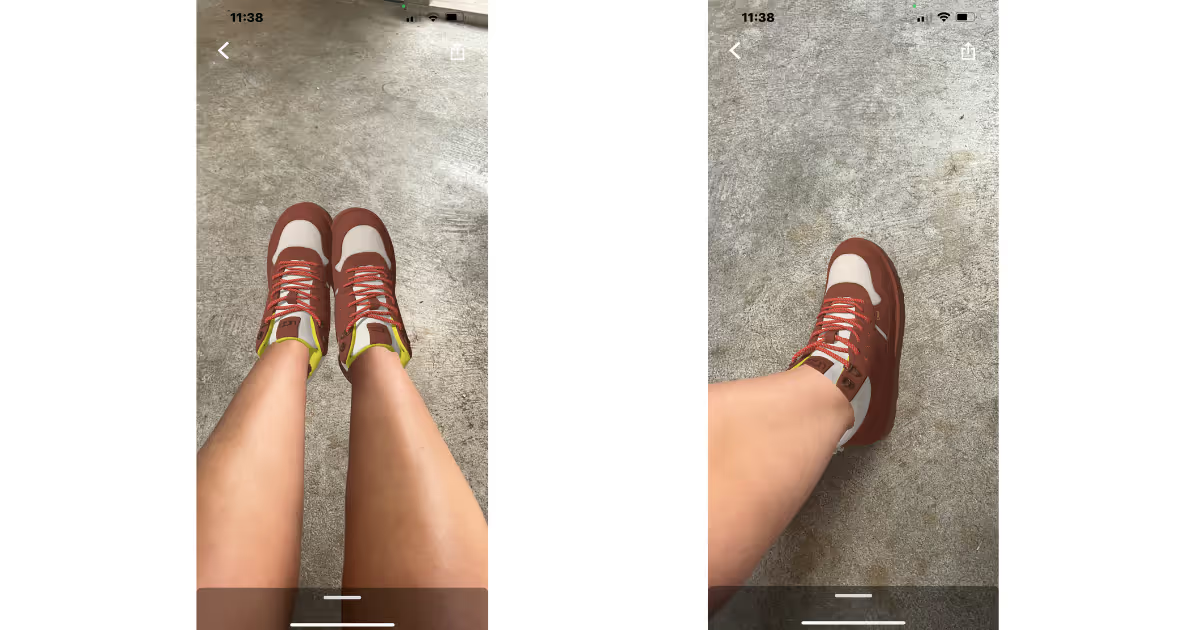
I thought that maybe it was just because these were larger shoes, so I tried on a pair of sneakers.
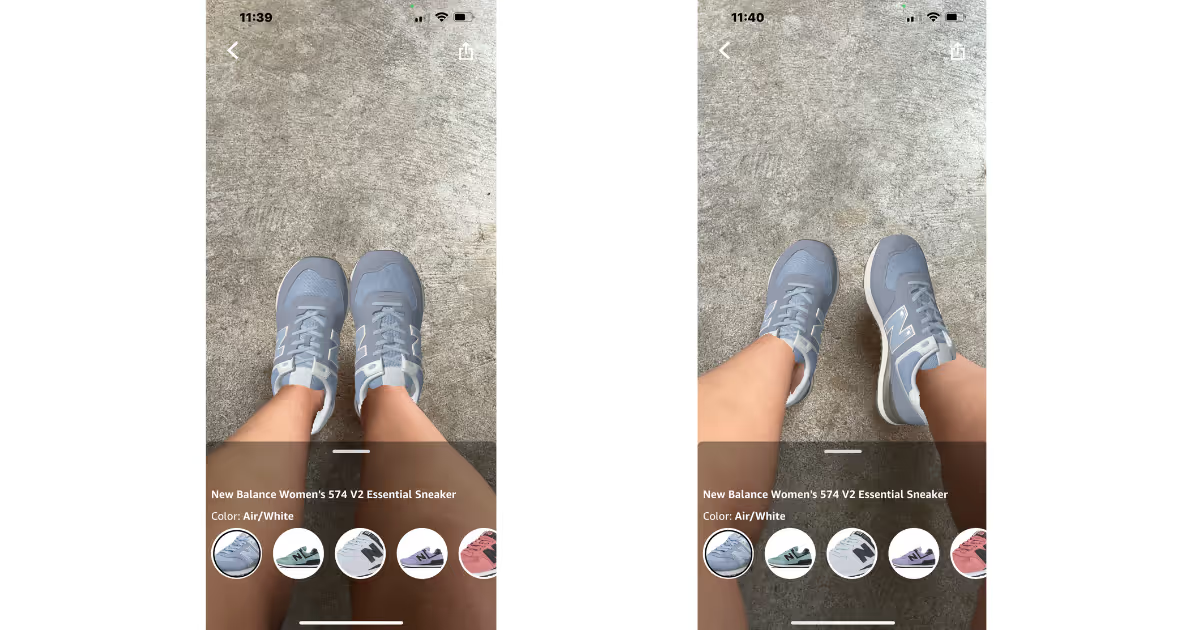
I still felt that these shoes weren’t realistically showing my shoe size in both length and width. My ankles were being cut off and not aligning properly with the shoe. If anything, I felt as though the experience made me more nervous to purchase the shoes than if I had just looked at the product images.
This experience is exactly why Tangiblee has decided to not rush into this landscape until we are able to create a realistic experience. To learn more about the solutions that Tangiblee provides visit our website.