
Software with a Service (SwaS): The New SaaS Alternative
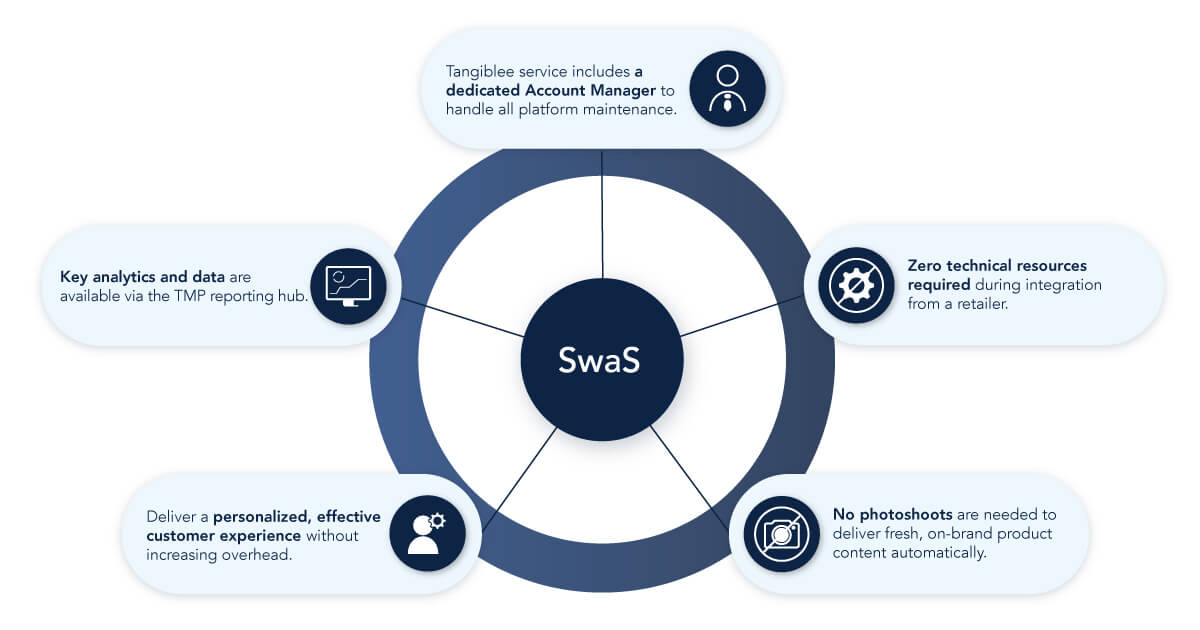
Software as a Service, or more commonly referred to as SaaS, has become a staple word in the tech industry. This term refers to companies that deliver applications over the internet. Customers are able to access software through the internet rather than having to install and maintain software.
There are many benefits for SaaS companies including scalability, minimal setup and implementation costs, accessible from anywhere, auto updates, and more. While these are great benefits they lack personal connection and relationships. The term SwaS was coined to bridge this gap and refer to companies that are technically a SaaS company, but provide a service as well.
Benefits of SwaS
Software with a service indicates that customers weren’t just receiving a software, but also a service on top of that. For instance, rather than having to train a full-time employee on the software the company will maintain the software for you and minimize the number of resources required for the software.
Many companies have started to shift towards this business model as it provides a more personal experience. Additionally, it allows smaller companies to implement the technology because they don’t have to commit ample amounts of time or resources to the project.
Benefits of SwaS include:
- Install and maintain the software with low friction and low effort required from the retailer
- Don’t have to commit a full-time employee to learn and manage the software
- Achieve your goals of the ideal customer experience without hiring an external agency or team
- Rely on software provider to provide continuous support
- Evaluate the service with ongoing results and analytics that are automatically provided
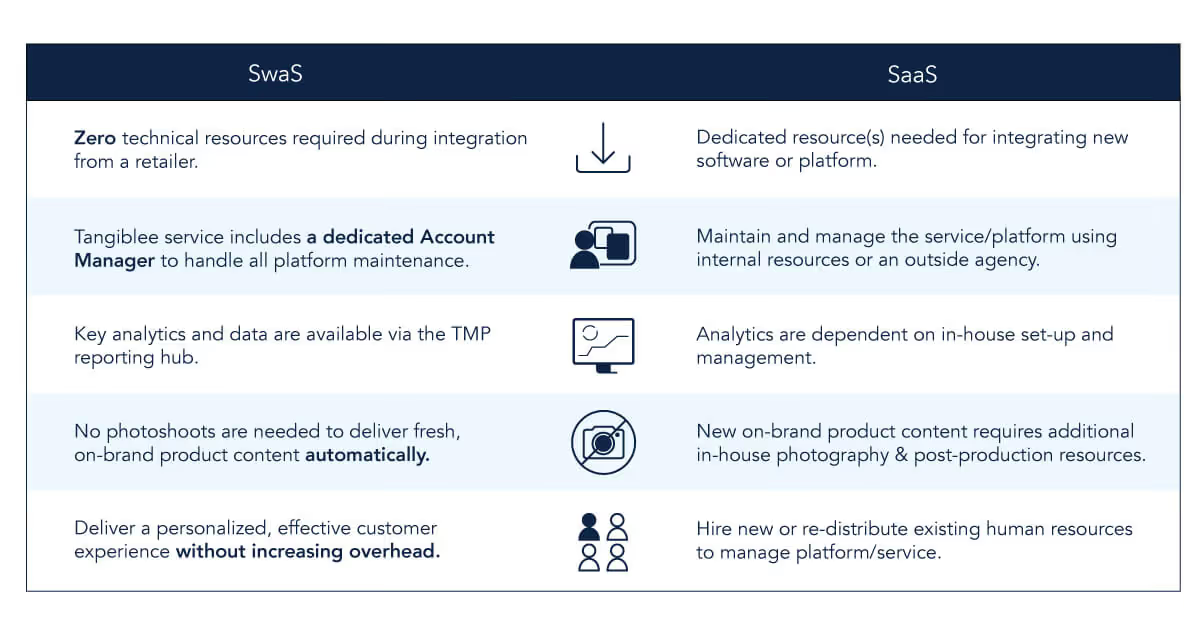
SwaS with Tangiblee
Tangiblee has always been a SwaS company. We take on all the heavy lifting required to maintain our software on a retailer’s site. This makes our software more accessible to companies of all sizes.
It is important to our team that we have a relationship with our clients. We are able to listen to our clients and implement their candid feedback to enhance our product. Does this sound like something that could improve your e-commerce website? Schedule a demo here.